Looking for Fresh Pasta Near Vatican City? Why Local Foodies Walk Straight to Borgo Pio
After spending three hours craning your neck at the Sistine Chapel and weaving through the crowds of St. Peter’s Square, hunger hits fast. You step outside the walls of Vatican City, look around, and immediately face Rome’s most common dining dilemma: dozens of restaurants with laminated photo menus, aggressive hosts waving you inside, and prices that feel designed exclusively for out-of-towners.
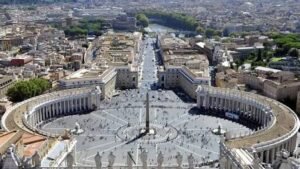
If you ask a Roman where to eat near the Vatican, they won’t point you toward the main boulevards. Instead, they will tell you to walk three minutes north to Borgo Pio.
This historic, pedestrian-only cobblestone street runs parallel to the Passetto di Borgo—the elevated stone corridor that once served as a secret escape route for popes heading to Castel Sant’Angelo. Today, it serves a different purpose: it is the go-to escape for anyone craving genuine Roman cooking, handmade pasta, and a relaxed atmosphere without leaving the Vatican neighborhood.
The Vatican Dining Dilemma: Tourist Traps vs. Real Roman Kitchens
Eating well near a major global landmark is always tricky, and Vatican City is no exception. Because millions of visitors pass through St. Peter’s Basilica every year, many nearby eateries rely on foot traffic rather than repeat customers.
Locals, Vatican staff, and seasoned travelers know how to spot the difference between a tourist trap and a real Roman kitchen:
-
The Menu Size: Authentic trattorias focus on doing traditional Roman dishes well rather than offering 150 unrelated items.
-
Transparent Pricing: In Italy, many restaurants add a coperto (cover charge) or service fee at the end of the bill. Trustworthy neighborhood spots are upfront about what you will pay.
-
Who Is Eating There: If you hear Italian spoken at the next table, especially during weekday lunches. You are in the right place.
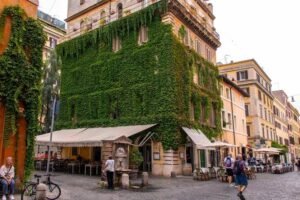
Borgo Pio has managed to keep its neighborhood character intact. With its ochre-colored buildings, ivy-draped balconies, and outdoor tables tucked away from city traffic, it feels worlds apart from the bustle of Via della Conciliazione even though it is only a few blocks away.
What Makes Authentic Fresh Roman Pasta Different?
Roman cuisine is built on a simple philosophy: fewer ingredients, higher quality, and exact technique. Unlike northern Italian dishes that often rely on heavy cream or butter, classic Roman pasta gets its richness from starchy pasta water, aged sheep’s milk cheese, and cured pork.
When you sit down for a plate of fresh pasta in Borgo Pio, here is what separates a memorable dish from an average one:
-
The Texture of the Pasta: Whether it is thick, square-cut tonnarelli or ridges of mezze maniche, the pasta should have a slight bite (al dente) and a rough surface that holds onto the sauce.
-
Real DOP Ingredients: Authentic kitchens use Pecorino Romano (sharp, salty sheep’s cheese) and Guanciale (cured pork jowl)—never bacon or generic parmesan substitutes.
-
Emulsified Sauces: A proper Cacio e Pepe or Carbonara should coat every strand smoothly. There should never be clumps of cheese or scrambled eggs on the plate.
The Four Pillars of Roman Pasta to Order Near the Vatican
If you are visiting Rome for the first time or returning for another round there are four iconic pasta dishes that define the city’s food culture.
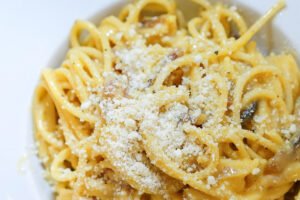
1. Tonnarelli Cacio e Pepe
The ultimate test of a Roman chef. Made with just three ingredients pasta, freshly cracked black pepper, and Pecorino Romano the magic happens when hot pasta water transforms the cheese into a glossy, peppery cream. Using fresh tonnarelli (a thicker, handmade Roman cousin of spaghetti) gives the dish a hearty, satisfying chew.
2. Spaghetti alla Carbonara
Forget everything you have seen with heavy cream, peas, or garlic. True Roman Carbonara is made strictly with crispy guanciale, egg yolks, Pecorino Romano, and black pepper. It is rich, savory, and deeply comforting after a long morning on your feet.
3. Mezze Maniche all’Amatriciana
Originating from the nearby town of Amatrice, this dish combines sweet, slow-simmered tomato sauce with rendered guanciale, a hint of chili pepper, and Pecorino Romano. Short, ridged mezze maniche pasta catches the savory sauce and crispy pork in every bite.
4. Pasta alla Gricia
Often called the “white Amatriciana” or the ancestor of Carbonara, Gricia strips things back to guanciale, black pepper, and Pecorino Romano. It is bold, salty, and a favorite among locals who want pure, traditional flavor.
Looking for comfort food beyond the big four? Classic homemade lasagna layered with rich ragù and soft potato gnocchi are also staples you shouldn’t miss.
Ristorante Da Marcello: A Borgo Pio Classic Since 1963
If you walk down Borgo Pio to number 87, you will find one of the street’s longest-standing institutions: Ristorante Da Marcello.
Operating in the same neighborhood since 1963, Ristorante Da Marcello has spent more than six decades serving both Roman regulars and visitors from around the world. Step inside and you are greeted by classic rustic Roman decor-warm wooden ceiling beams, gold-framed artwork, and a lively, welcoming dining room. On sunny days, the outdoor seating along Borgo Pio offers one of the best spots in the area to people-watch with a glass of house wine.
Why Locals and Travelers Keep Coming Back
-
Fresh Pasta & Beyond: Alongside their signature Tonnarelli Cacio e Pepe, Carbonara, Amatriciana, and homemade lasagna, the kitchen fires up traditional wood-fired pizzas (like Margherita, Diavola, and Bufala) and Roman classics like Saltimbocca alla Romana, fried calamari, and grilled meats.
-
No Hidden Charges: One of the biggest reliefs for travelers in Rome is transparent pricing. At Ristorante Da Marcello, the coperto and service charge are already included in the menu prices, with most meals averaging a very reasonable €10 to €20 per person.
-
Walk-In Friendly: You don’t need to stress about rigid booking schedules. Da Marcello welcomes walk-ins all day—ideal when you aren’t sure exactly when your Vatican Museums tour will wrap up. (For larger groups, a quick phone call ahead is always welcome.)
-
Dietary Options for Everyone: Traveling with a group that has different dietary needs? The menu includes thoughtful vegetarian, vegan, and gluten-free options so nobody has to settle for a plain side salad.
-
Warm, Multilingual Service: The staff speaks multiple languages and treats first-time visitors with the same warmth as neighborhood regulars.
Practical Tips for Dining Near Vatican City
To get the most out of your meal in Borgo Pio, keep a few local tips in mind:
-
Time Your Meal Around the Crowds: The Vatican Museums and St. Peter’s Basilica are busiest between 10:00 AM and 1:00 PM. If you finish an early morning tour, heading to Borgo Pio around 11:30 AM or 12:00 PM lets you beat the peak lunch rush. For dinner, arriving around 7:00 PM gives you a relaxed table before the traditional Italian dinner crowd arrives at 8:30 PM.
-
Walk From St. Peter’s Square: From the colonnade of St. Peter’s Square in Vatican City, walk northeast toward Porta Angelica and turn right onto Borgo Pio. It is an easy, flat 3-to-5-minute walk.
-
Pair Your Pasta Like a Local: Start with a simple Roman antipasto like bruschetta or fried artichokes (when in season), pair your pasta with a crisp Frascati white wine or a local red, and save room for tiramisu or an espresso to finish.
Visit Ristorante Da Marcello on Your Next Walk Through Borgo Pio
Great Roman food doesn’t require a taxi ride across the city. Just a few minutes from the walls of Vatican City, Borgo Pio offers the flavors, hospitality, and atmosphere that make dining in Rome unforgettable.
-
Address: Borgo Pio, 87, 00193 Roma RM, Italy
-
Phone: +39 06 686 4462
-
Website: Ristorante Da Marcello
-
Directions: Find Ristorante Da Marcello on Google Maps
Whether you are a local looking for a reliable plate of Cacio e Pepe or a traveler ready to recharge after exploring the Vatican, pull up a chair at Ristorante Da Marcello on Borgo Pio and taste a piece of Roman tradition that has been going strong since 1963.
